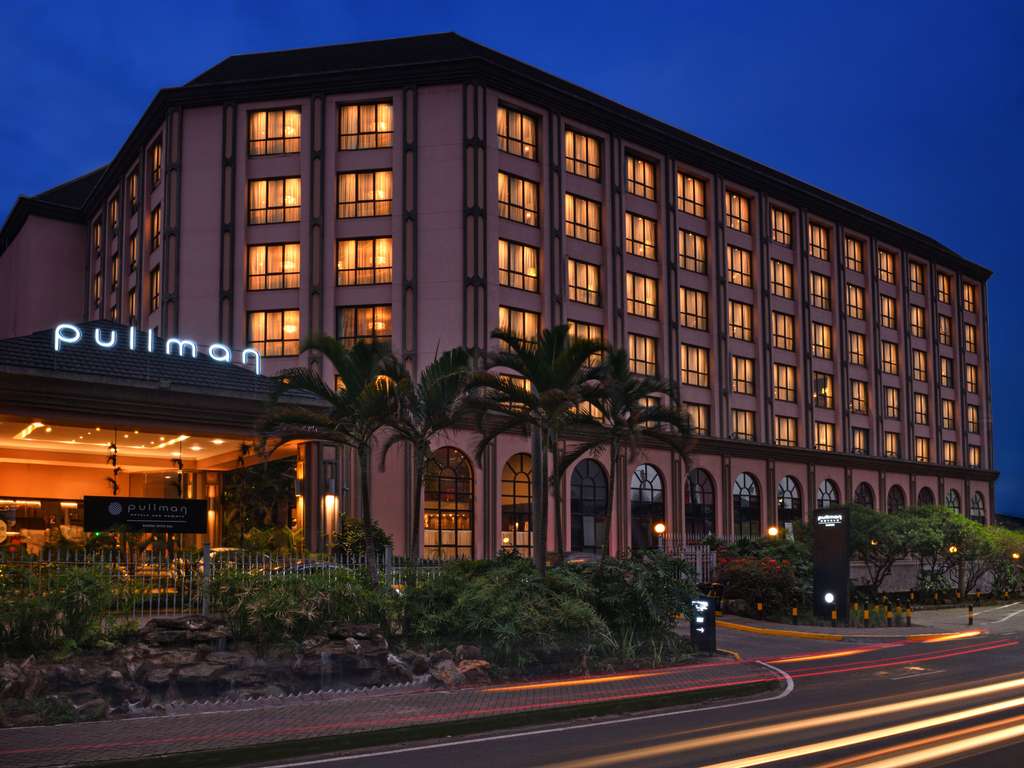

Nairobi, the bustling capital of Kenya and the economic powerhouse of East Africa, has established itself as a vibrant hub for the short-term rental industry, primarily dominated by Airbnb. For investors and hosts, understanding the rental rate landscape is crucial for navigating this dynamic market.
Overview of Nairobi’s Average Daily Rates (ADR)
The Average Daily Rate (ADR) in Nairobi is competitive, offering value to guests while providing a solid return for well-managed properties. Market data generally points to the following benchmarks:
| Rental Metric | Average Price (USD) | Key Insights |
| Average Daily Rate (ADR) | $46 – $55 | This is the overall market average for a night’s stay. |
| Median/Typical ADR | Approximately $43 | Represents the pricing charged by the bulk of active listings. |
| Top 10% Listings ADR | $94+ | High-end properties in premium locations with luxury amenities command significantly higher rates. |
| Average Monthly Revenue | $350 – $700 | Highly dependent on occupancy rate; successful hosts can surpass this figure. |
| Average Annual Revenue | $4,300 – $7,000 | The estimated yearly total revenue before operating costs. |
It is important to note that these figures are averages, and a property’s actual earning potential is influenced heavily by its specific characteristics and the host’s management strategy.
The Profitability Puzzle: ADR and Occupancy
While the ADR gives an idea of nightly earning, true profitability is determined by the Occupancy Rate. Nairobi’s market complexity means a high ADR must be balanced with consistent bookings.
- Average Occupancy: The city’s average occupancy rate typically ranges from 33% to 46%. This indicates a competitive environment where many listings struggle for consistent bookings.
- High Performance: Top-performing listings (often those with excellent reviews, unique design, and superior amenities) can achieve occupancy rates exceeding 70%. This combination of high ADR and high occupancy is what drives the highest monthly revenues in the market.
Rental Rate Variation by Location
Location is the single most significant determinant of rental prices in Nairobi:
- Premium Business Hubs (Highest Rates):
- Westlands and Parklands: These areas attract corporate travelers and high-spending tourists due to proximity to business centers, upscale malls, and nightlife. ADRs here often sit at the higher end of the spectrum, with luxury apartments breaching the $100 mark.
- Mid-Range Residential Areas (Moderate Rates):
- Kilimani and Kileleshwa: Popular among ex-pats, long-term guests, and short-stay tourists, these neighborhoods offer modern apartments with good connectivity. They maintain solid ADRs that align closely with the market average.
- Upper Hill: Nairobi’s Financial and Business Hub, this area primarily targets corporate travelers and business executives. Listings are mostly modern, high-rise serviced apartments offering premium amenities (like gyms and pools). Its proximity to multinational corporations and the CBD positions it as a consistent high-value market capable of achieving above-average ADRs.
- Unique and Suburban Stays:
- Karen: Listings here tend to be larger, often detached houses or boutique cottages offering a quieter, more green environment. While fewer in number, they appeal to families or those seeking an exclusive experience, allowing for higher total property prices.
Key Factors Driving Price Premiums
Hosts looking to push their rental rates above the median should focus on the following value-adds:
- Uninterrupted Internet: Reliable, high-speed Wi-Fi is non-negotiable and a major factor for digital nomads and business travelers, justifying a premium.
- Superior Security: Features like 24/7 security, controlled access, and secure parking are expected and valued highly by both local and international guests.
- Amenities: Access to on-site amenities like a swimming pool, gym, and backup power generator makes a listing significantly more attractive.
- Design and Furnishings: Modern, aesthetically pleasing interiors and high-quality furnishings stand out in the crowded market, enabling hosts to charge more.
Seasonal Fluctuations
Pricing must be dynamic to maximize revenue across the year:
- Peak Season (ADR Peak): December, July, and August are typically the busiest months. December benefits from holidays, while July and August align with Northern Hemisphere summer travel. Hosts should employ peak pricing during these periods.
- Low Season (ADR Trough): Months like February may see a dip in both occupancy and ADR, requiring hosts to be flexible with their pricing to maintain booking volume.
In conclusion, the Nairobi Airbnb market offers strong earning potential, particularly when benchmarked against local long-term rental yields. Success, however, relies not just on setting a competitive nightly rate, but on a strategic blend of superior property presentation, essential amenities, and a data-driven approach to pricing that capitalizes on the city’s diverse and seasonal demand.